Good news rarely announces itself. It arrives as a text from a neighbor about the first ripe tomato in the community plot, or a photo of a shopkeeper hanging a hand-lettered sign for a teenager's first paycheck. The stories are already there — in the school office, the barbershop, the church hall, the back room of the bike co-op. Finding them is less about luck than habit: knowing where to look, asking a better question, checking the details, and then getting out of the way so the people involved can tell it themselves.
Begin Where You Already Walk
You don't need a press pass. You need a route. Pick the five or six places you pass in a normal week — the corner store, the library desk, the school gate, the dog park, the hardware counter, the bus stop where the same four people wait every morning. Those are your beats, and you already know more about them than any outsider will.
The community noticeboard is an underrated reporting tool. Photograph it every couple of weeks. Flyers for a repair cafe, a coat drive or a youth theatre audition tell you who is organizing, when they meet and what they need. A call to the name at the bottom of a flyer is often all it takes to start.
What Makes a Local Story Worth Telling
An event is not a story. A pancake breakfast is an event. The retired machinist who has flipped pancakes at that breakfast for nineteen years, and who taught three generations of kids to fix their own bikes in the same hall, is a story.
Before you write anything, run the idea through a few questions:
- Who is doing something they didn't have to do? Effort chosen freely is the engine of almost every good local story.
- What changed? A repaired roof, a reopened shop, a kid who finally made the team. Change gives a story a beginning and an end.
- What is the one concrete detail? "A wall of three hundred mismatched mugs" beats "a cozy café" every time. Details are what make readers trust you.
- Who cares? A story can matter to one street or to the whole town. Both are fine. Just know which one you have, because it changes where you share it.
If you can't describe the idea in one sentence with a name in it, you probably have a topic, not a story.
Ask the Question Nobody Expects
Most people answer "How are things?" with "Fine, busy." Try something else: "What's something good that happened here in the last month that nobody wrote down?" Then wait. The pause is doing work. Let it run a little longer than feels comfortable.
Follow with "What happened next?" and "Who else was involved?" The second answer is usually better than the first, because the first is the one people give at the counter and the second is the one they actually mean. Take notes by hand when you can; people choose their words differently when they see a pen. Ask before you record anything, and don't be offended if someone says no.
Verify the Details Before You Share
Local stories are small, which means mistakes are visible to everyone. Verification here isn't an investigation; it's two or three polite questions asked in the right order.
Names, dates and numbers
Spell every name back letter by letter. Read numbers aloud — 14 and 40 sound alike on a phone call. Ask "is that exact, or about right?" and write "about" if it is.
Photos and permission
Ask who took the photo and whether you can use it. Don't lift images from someone's social media feed just because they're public. If a person is clearly identifiable in a picture, they should know where it's going.
Children, health and money
For anything involving a minor, work through a parent, guardian or the school office, and don't publish a child's full name, class or daily schedule without clear permission. If a story touches on illness, financial trouble or a legal dispute, share only what the person has agreed to share, keep the details general, and let them decide how public to be. If they're asking you for advice on a medical, money or legal matter, point them to a qualified professional rather than answering yourself.
Share It Where Your Neighbors Actually Look
A good story shared in the wrong place is a good story nobody reads. Match the outlet to the story and the format to the outlet.
- The local paper or its tips line. Send a short pitch: two or three sentences, who to contact, and why it matters now.
- The neighborhood email list or community group. A photo and two sentences travel further than five paragraphs.
- The library board, the PTA newsletter, the church or mosque bulletin. These reach people who show up, which is exactly the audience for a volunteer story.
- Community radio and local podcasts. If someone tells a story well out loud, hand them a microphone.
- The shop's own window. Sometimes the best place for a story is the place it happened.
Whichever you choose, let the people in the story see it first. Ask them to correct anything you got wrong, and don't be precious about edits. They aren't sources. They're neighbors, and you'll want to talk to them again.
Turn It Into a Weekly Walk
Twenty minutes, once a week, is enough. Walk the same loop. Ask one question at each stop. Write one line in a notes file for every answer — a name, a phone number, a rough idea. Once a month, pick the idea that's ready and write it up in four hundred words. Not every lead will pan out, and that's normal. Some are just for you.
Start With One Street
Pick one place you already visit twice a month. This week, ask the question. Next week, follow up with the person who gave the best answer and ask what happened next. Then write four honest sentences and show them to the person in the story before you show them to anyone else.
When it's right, pass it along — to the paper, the list, the noticeboard, or just the neighbor who needs it. Warmth like this compounds. One written-down good thing makes the next one easier to spot, and the people who made it happen get to see that someone noticed.
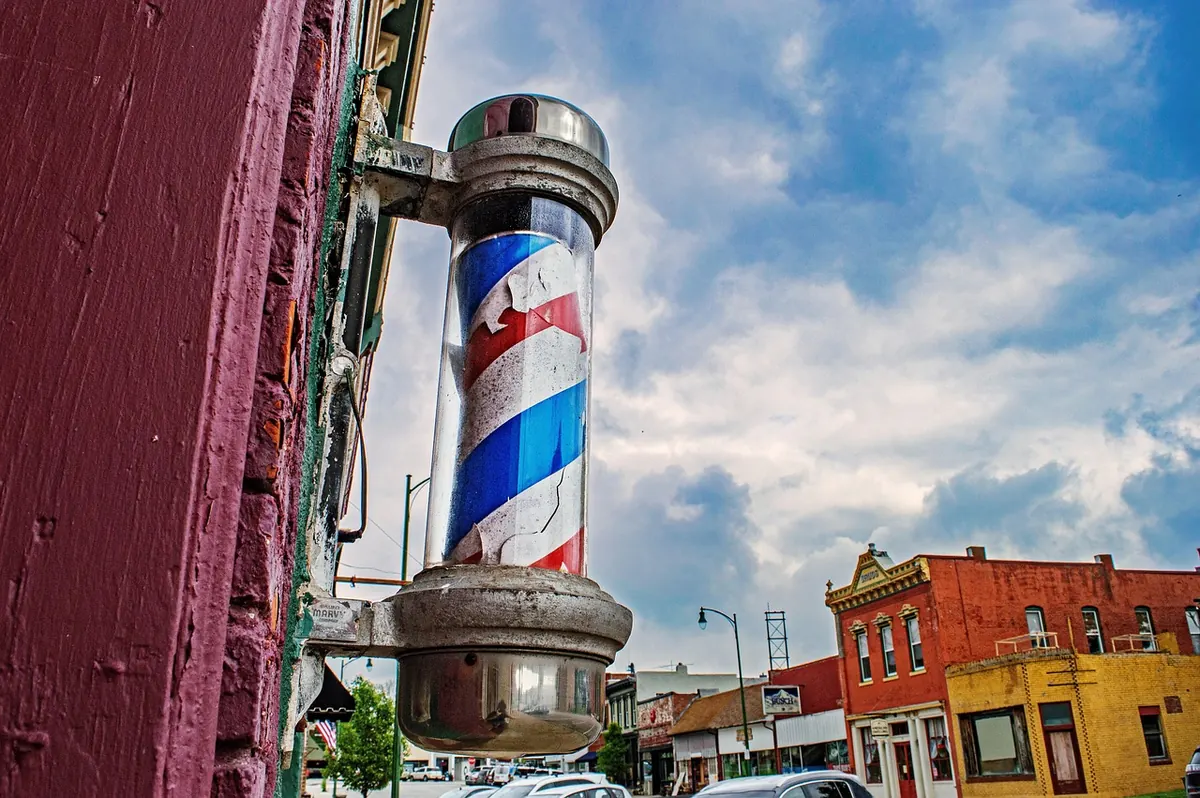
Photo: royharryman / Pixabay